Recipe
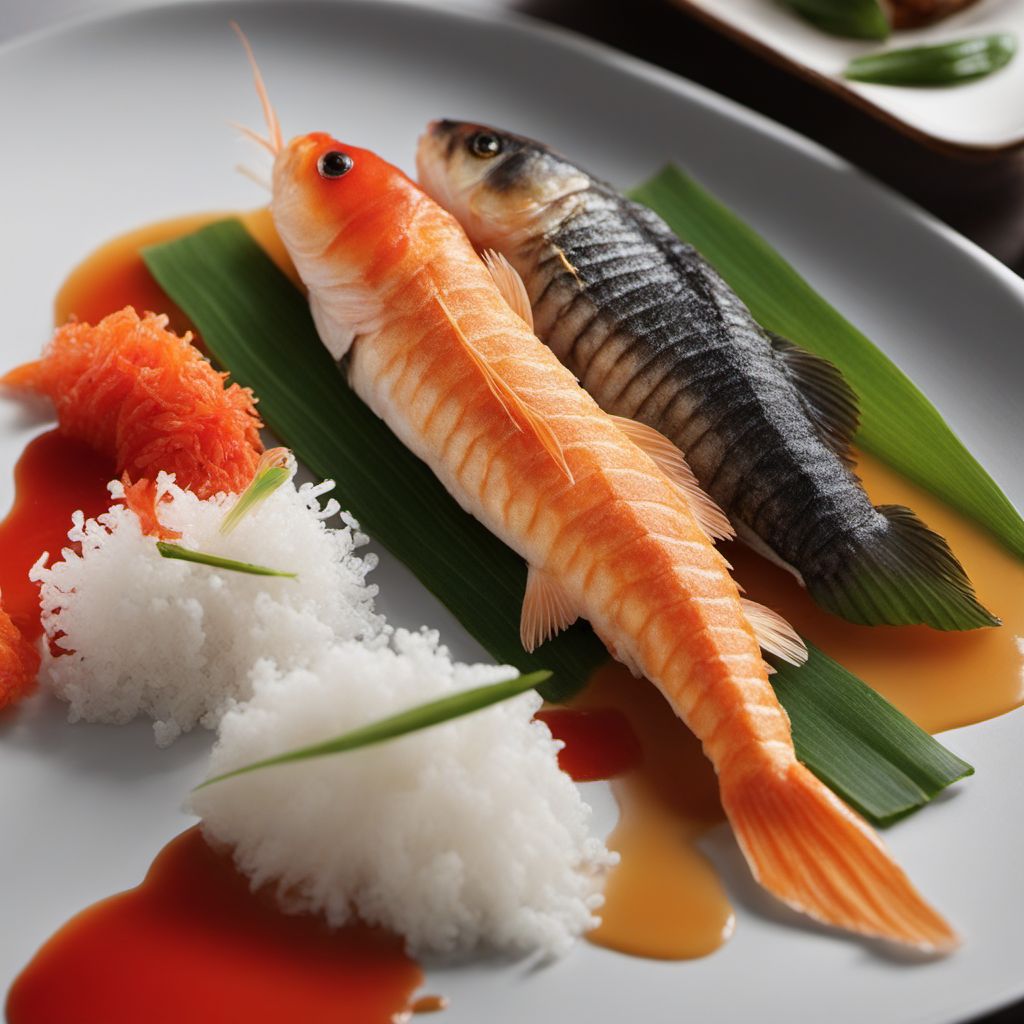
Nagoya-style Koi Tempura
Crispy Delight: Nagoya-style Koi Tempura
4.7 out of 5
Indulge in the flavors of Nagoya cuisine with this delightful recipe for Nagoya-style Koi Tempura. This dish showcases the unique culinary traditions of Nagoya, combining the delicate flavors of fresh koi fish with the crispy texture of tempura.
Metadata
Preparation time
20 minutes
Cooking time
10 minutes
Total time
30 minutes
Yields
4 servings
Preparation difficulty
Easy
Suitable for
Pescatarian, Dairy-free, Nut-free, Low sugar, Low carb
Allergens
Fish, Wheat
Not suitable for
Vegetarian, Vegan, Gluten-free, High sugar, High carb
Ingredients
In Nagoya-style Koi Tempura, we adapt the traditional Japanese tempura technique to incorporate the flavors and ingredients specific to Nagoya cuisine. While the original Japanese tempura can be made with various types of fish, Nagoya-style tempura specifically uses koi fish, which is a local specialty. Additionally, the Nagoya-style tempura batter is slightly different, with a lighter and crispier texture compared to the traditional tempura batter. We alse have the original recipe for Koi, so you can check it out.
-
4 koi fish fillets (200g / 7oz) 4 koi fish fillets (200g / 7oz)
-
1 cup (125g) all-purpose flour 1 cup (125g) all-purpose flour
-
1/2 cup (60g) cornstarch 1/2 cup (60g) cornstarch
-
1/2 teaspoon baking powder 1/2 teaspoon baking powder
-
1/2 teaspoon salt 1/2 teaspoon salt
-
1 cup (240ml) ice-cold water 1 cup (240ml) ice-cold water
-
Vegetable oil, for frying Vegetable oil, for frying
-
Ponzu sauce, for serving Ponzu sauce, for serving
Nutrition
- Calories (kcal / KJ): 250 kcal / 1046 KJ
- Fat (total, saturated): 10g, 1g
- Carbohydrates (total, sugars): 30g, 1g
- Protein: 10g
- Fiber: 1g
- Salt: 0.5g
Preparation
-
1.In a large bowl, combine the all-purpose flour, cornstarch, baking powder, and salt.
-
2.Gradually add the ice-cold water to the dry ingredients, whisking until the batter is smooth and free of lumps.
-
3.Heat vegetable oil in a deep pan or fryer to 180°C (350°F).
-
4.Dip each koi fish fillet into the batter, ensuring it is evenly coated.
-
5.Carefully place the battered fish into the hot oil and fry until golden brown and crispy, approximately 3-4 minutes per side.
-
6.Remove the cooked fish from the oil and place them on a paper towel-lined plate to drain excess oil.
-
7.Serve the Nagoya-style Koi Tempura hot with ponzu sauce for dipping.
Treat your ingredients with care...
- Koi fish — Ensure the koi fish fillets are fresh and properly cleaned before using them in the recipe. Remove any bones or scales from the fillets for a pleasant dining experience.
Tips & Tricks
- To achieve a crispy tempura coating, make sure the batter is ice-cold and the oil is hot before frying.
- Serve the Nagoya-style Koi Tempura immediately after frying to maintain its crispiness.
- Experiment with different dipping sauces like soy sauce or spicy mayo for a unique twist.
Serving advice
Serve the Nagoya-style Koi Tempura as a main dish accompanied by steamed rice and a side of pickled vegetables for a complete Nagoya-style meal.
Presentation advice
Arrange the Nagoya-style Koi Tempura on a platter, garnished with fresh herbs and a wedge of lemon for an appealing presentation.
More recipes...
For Japanese cuisine » Browse all
Carne Asada Tacos with a Japanese Twist
Yakiniku Tacos: Grilled Japanese-style Beef Tacos

Tamago Kake Gohan - Japanese-style Rice with Raw Egg
Eggy Delight: A Traditional Japanese Rice Bowl with a Creamy Twist
Japanese-style Breakfast
Harmony of Flavors: A Japanese Twist on the Classic English Breakfast

For Nagoya cuisine » Browse all


More Japanese cuisine dishes » Browse all
Hotate nigiri sushi
Scallop Nigiri
Hotate nigiri sushi is a type of sushi that is made with scallops. It is a popular sushi dish that is enjoyed by sushi lovers around the world.

Tekkamaki
Tekkamaki is a type of sushi roll that is made with raw tuna and sushi rice wrapped in seaweed. It is a popular dish in Japanese cuisine and is...
Kagoshima ramen
Kagoshima Ramen
Kagoshima ramen is a type of ramen that originated in Kagoshima, Japan. It is known for its rich and savory tonkotsu broth and thin, straight noodles.